
Author: Sarah Thompson

  • What Is The Final Step In Correctly Matching Ammunition To A Firearm?

    What Is The Final Step In Correctly Matching Ammunition To A Firearm?

    When it comes to firearms, safety is the top priority. Properly matching ammunition to a firearm ensures that your gun operates correctly and safely. But what’s the final step in this crucial process? Let’s dive into the details of how to make sure you’re using the right ammo for your firearm and why it matters.

    Understanding Ammunition And Firearms

    Before we get to the final step, it’s important to understand the basics. Firearms come in various types and calibers, each designed to use specific ammunition. Ammunition, commonly referred to as “ammo,” consists of several components: the casing, primer, powder, and projectile (bullet). The caliber of a firearm, measured in either inches or millimeters, indicates the size of the ammunition it uses.

    Why Matching Ammo Matters

    Using the correct ammunition for your firearm is crucial for several reasons:

    1. Safety: Incorrect ammunition can lead to malfunctions or dangerous situations. Using ammo that’s too powerful can cause damage to the firearm or injury to the shooter.
    2. Performance: The right ammunition ensures that your firearm performs at its best. It affects accuracy, range, and overall effectiveness.
    3. Legal Compliance: Some regions have specific regulations regarding ammunition types and calibers. Using the wrong ammo can lead to legal issues.

    The Process Of Matching Ammunition

    Matching ammunition to a firearm involves several steps. Here’s a step-by-step guide:

    1. Identify Your Firearm’s Caliber: Check the markings on your firearm or refer to the owner’s manual to determine the correct caliber. This is the starting point in selecting the right ammo.
    2. Choose the Right Ammunition Type: There are different types of ammunition designed for various purposes—target shooting, hunting, self-defense, etc. Ensure that the ammo type matches your intended use.
    3. Verify Ammo Specifications: Look at the ammunition box for details like caliber, bullet type, and load specifications. These should match the requirements of your firearm.
    4. Check the Firearm’s Condition: Ensure that your firearm is clean and in good working condition. A well-maintained gun performs better and is safer to use.
    5. Test the Ammunition: Before using a new type of ammo extensively, test it at the range to ensure it functions correctly with your firearm.

    The Final Step: Verify Ammunition Compatibility

    The final step in correctly matching ammunition to a firearm is to verify the compatibility of the ammunition with your firearm by conducting a test firing. Here’s why this step is crucial and how to perform it:

    1. Safety First: Always follow safety protocols when handling firearms and ammunition. Ensure that you’re in a safe environment, like a shooting range, when conducting test firings.
    2. Load and Fire Safely: Load a small number of rounds into the firearm and fire them. Pay close attention to how the firearm handles the ammunition. Look for any signs of misfires, jams, or excessive recoil.
    3. Inspect Results: After firing, inspect the spent casings and the firearm. Check for any signs of damage or unusual wear. If the ammo is compatible, the firearm should function smoothly without any issues.
    4. Adjust if Necessary: If you encounter problems, you may need to try a different ammunition type or consult with a professional. Sometimes, slight adjustments are needed to ensure optimal performance.

    Why This Final Step Matters

    Test firing is the final confirmation that your ammunition is a perfect match for your firearm. Even if all the other steps are followed, this practical test is essential to ensure safety and performance. It helps you identify any issues that might not be apparent through theoretical checks alone.

    Conclusion

    In summary, matching ammunition to a firearm involves several important steps, but the final step—test firing the ammunition—is critical. It ensures that the ammo works correctly with your firearm and provides the performance you expect. Always prioritize safety and accuracy to enjoy shooting responsibly and effectively.

  • What Do Swans Eat? A Comprehensive Guide To Their Diet

    What Do Swans Eat? A Comprehensive Guide To Their Diet

    Swans are among the most graceful and majestic birds you’ll ever encounter. With their elegant glides across serene lakes and their striking white feathers, they capture our imagination and admiration. But have you ever wondered what these beautiful birds eat to maintain their grace and size? In this blog, we’ll explore the diet of swans, looking at their eating habits, preferred foods, and how they find nourishment in the wild.

    Understanding Swans’ Diet

    Swans are omnivores, which means they eat both plant and animal matter. Their diet can vary depending on the season, their habitat, and what’s available in their environment. Generally, swans feed on a mix of aquatic plants, small invertebrates, and occasionally small fish. Let’s break down their diet into key components to understand what these stunning birds consume.

    Aquatic Plants

    A major part of a swan’s diet consists of aquatic plants. Swans are particularly fond of the following types:

    1. Water Lilies: These floating plants are a favorite for many swans. They graze on the leaves and roots, which provide them with essential nutrients.
    2. Duckweed: This tiny, floating plant is high in protein and easily digestible. Swans often scoop it up from the water’s surface.
    3. Reeds and Grasses: Swans munch on various types of reeds and grasses growing in and around their aquatic habitat. These plants are high in fiber and help with digestion.
    4. Algae: During the warmer months, swans might consume algae, which offers a good source of vitamins and minerals.

    Small Invertebrates

    In addition to plants, swans also eat small invertebrates that they find in the water. These include:

    1. Insects: Swans sometimes catch insects such as water beetles or larvae. These small creatures are rich in protein and other nutrients.
    2. Worms: Aquatic worms are another protein source. Swans use their long necks to reach down into the mud to find these wriggling snacks.
    3. Mollusks: Snails and other mollusks are also on the menu. Swans filter these from the water, consuming both the mollusk and any algae or other food associated with them.

    Fish And Other Small Animals

    While not a primary food source, swans might occasionally eat small fish or amphibians. This behavior is more common in certain species or if plant food is scarce. They use their beaks to catch small fish or tadpoles, providing a protein boost to their diet.

    Foraging Behavior

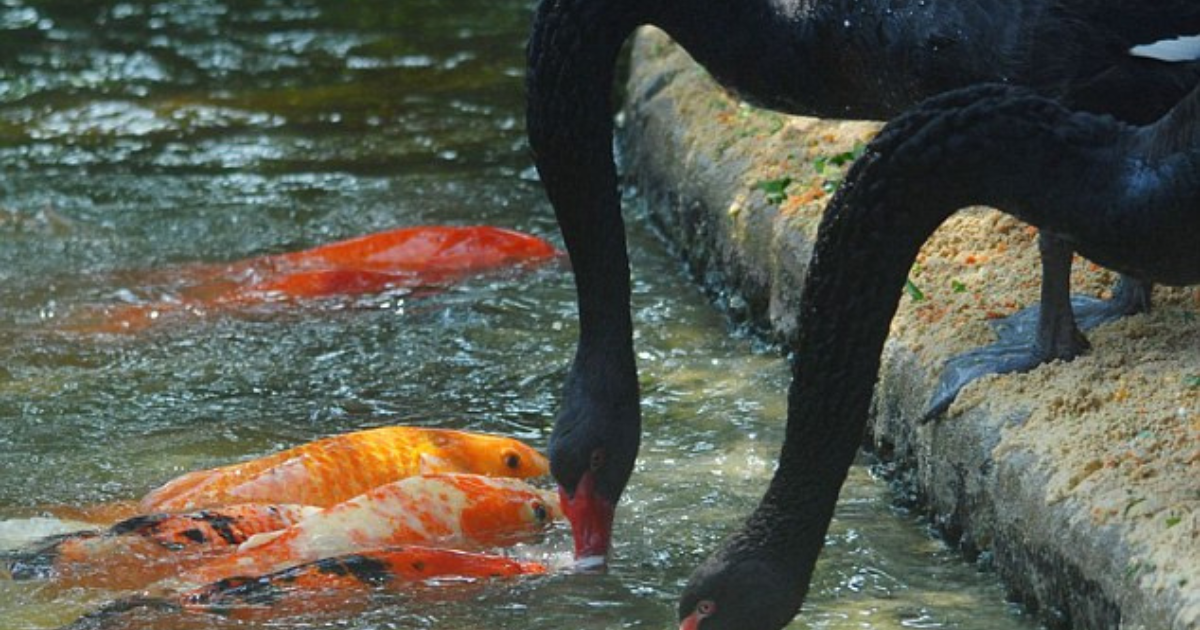
    Swans are known for their unique foraging behavior. They use their long necks to reach down to the bottom of ponds and lakes, where they can pull up aquatic plants. They also tip their bodies into the water, using their beaks to scoop up plants and small invertebrates. This behavior is called “head-down” feeding and is essential for accessing food that is not readily available at the surface.

    Seasonal Changes In Diet

    Swans’ diets can change with the seasons. In the spring and summer, when aquatic plants are plentiful, swans primarily feed on these plants. In the fall and winter, when food is scarcer, they may rely more on stored fat reserves and the occasional small animal or invertebrate. During these colder months, swans might also migrate to areas where food is more abundant.

    Feeding Habits And Social Behavior

    Swans are social birds, often seen in pairs or small groups. They usually feed together, and their feeding habits can sometimes influence the feeding behavior of other waterfowl around them. Swans have been observed using their beaks to stir up the mud in shallow waters, which can help other birds find food.

    How Do Swans Find Food?

    Swans are highly skilled foragers. Their keen eyesight helps them spot food in the water, and their ability to dive and tip their bodies allows them to access a wide range of aquatic plants and animals. They also have strong, webbed feet that help them move through the water with ease, making it easier to find and gather food.

    Importance Of A Balanced Diet

    A balanced diet is crucial for the health of swans. Aquatic plants provide essential nutrients, while small invertebrates offer protein. Maintaining a varied diet helps swans stay healthy, strong, and energetic. It also supports their breeding and migration activities.

    How Humans Can Help

    In some areas, people feed swans, especially in urban parks. However, it’s important to be cautious about what you feed them. Bread and other processed foods are not suitable for swans and can harm their health. Instead, if you want to feed swans, offer them appropriate foods like leafy greens or specialized bird feed that mimics their natural diet.

    Conclusion

    Swans are fascinating birds with diverse diets that reflect their adaptability and grace. From aquatic plants and small invertebrates to the occasional small fish, their diet helps them maintain their majestic presence. By understanding what swans eat, we can better appreciate these beautiful creatures and ensure they continue to thrive in their natural habitats.

  • What Does Verified Resale Ticket Mean?

    What Does Verified Resale Ticket Mean?

    When it comes to buying tickets for popular events like concerts, sports games, or theater shows, you might come across the term “verified resale ticket.” But what does that really mean? If you’re not familiar with this term, don’t worry—this blog will break it down for you in simple terms.

    What Is A Verified Resale Ticket?

    A verified resale ticket is a ticket that has been resold through an official or authorized platform, and its authenticity has been confirmed. Essentially, it means that the ticket has gone through a verification process to ensure that it’s genuine and valid for entry to the event.

    Why Do Verified Resale Tickets Matter?

    The main reason for having verified resale tickets is to protect buyers from fraud. Unfortunately, the secondary ticket market—where tickets are resold—can be rife with scams. By using verified resale tickets, you’re ensuring that you’re purchasing a legitimate ticket from a trusted source.

    How Does Verification Work?

    Here’s a simple breakdown of how ticket verification typically works:

    1. Original Purchase: A ticket is purchased for an event, and it’s assigned a unique code or barcode.
    2. Resale Platform: If the original buyer can’t attend the event, they might decide to resell the ticket. They list it on a verified resale platform, like Ticketmaster’s Fan-to-Fan Resale or StubHub.
    3. Verification Process: The resale platform checks the ticket’s validity. This often involves confirming the unique code or barcode to make sure it hasn’t been duplicated or reported as lost.
    4. Sale Confirmation: Once the ticket is verified, it’s listed for sale. Buyers can then purchase the ticket, knowing it’s legitimate.
    5. Transfer and Entry: After purchase, the ticket is transferred to the new owner, who can then use it to gain entry to the event.

    Benefits Of Verified Resale Tickets

    1. Authenticity: The primary benefit is that you’re buying a real ticket. Since the ticket has been verified, you don’t have to worry about it being a fake or a duplicate.
    2. Security: Buying from verified resale platforms reduces the risk of scams. These platforms often have security measures in place to protect buyers and sellers.
    3. Customer Support: Authorized resale platforms usually offer customer support if something goes wrong, which isn’t always the case with unofficial resale sites.
    4. Peace of Mind: Knowing that your ticket is legitimate allows you to enjoy the event without the stress of worrying about its authenticity.

    How To Buy Verified Resale Tickets

    To buy verified resale tickets, follow these simple steps:

    1. Choose a Verified Platform: Start by selecting a resale platform that offers verified tickets. Popular options include Ticketmaster’s Fan-to-Fan Resale and StubHub.
    2. Search for Your Event: Use the platform’s search function to find the event you’re interested in. You can filter results to show only verified resale tickets.
    3. Check Ticket Details: Review the details of the available tickets. Make sure the seat location and price meet your expectations.
    4. Purchase: Once you’ve chosen a ticket, follow the platform’s purchasing process. This usually involves creating an account and entering payment information.
    5. Receive and Use: After your purchase is complete, you’ll receive your ticket via email or the platform’s app. Ensure you have it ready for entry to the event.

    What To Watch Out For

    Even though verified resale tickets offer added security, here are a few things to keep in mind:

    1. Fees: Resale platforms often charge service fees, which can increase the total cost of your ticket. Be sure to check the final price before purchasing.
    2. Event Changes: If the event’s date or location changes, make sure to check the platform’s policy on refunds or exchanges.
    3. Seller Reputation: While the ticket itself is verified, it’s still a good idea to check the seller’s reputation and ratings on the resale platform.
    4. Event Entry: Make sure to check any specific entry requirements for the event, such as ID verification or proof of purchase.

    Conclusion

    In summary, a verified resale ticket is a great way to ensure that you’re getting a legitimate ticket to your favorite event. By purchasing through authorized resale platforms, you can avoid scams and enjoy the peace of mind that comes with knowing your ticket is genuine. Just remember to choose a reputable platform, check the details carefully, and be aware of any additional fees or policies.